

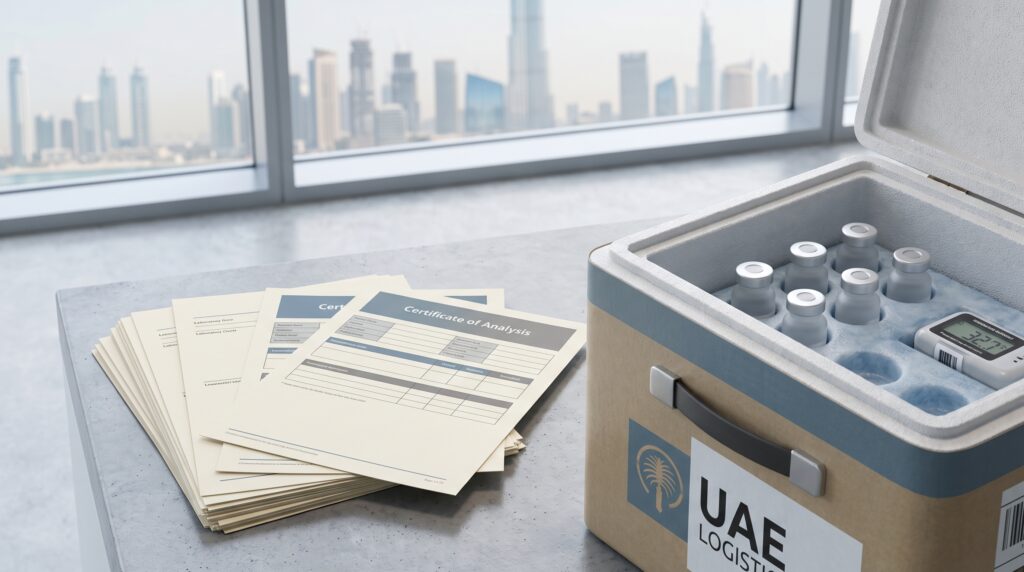
Sourcing HPLC Tested Peptides UAE: The Quality Baseline
When sourcing HPLC tested peptides in the UAE, researchers must verify third-party Certificates of Analysis (COAs) to confirm purity exceeding 99%. Purchasing from domestic suppliers who hold pre-cleared local inventory eliminates severe customs delays, ensuring sensitive research compounds arrive quickly without temperature degradation or regulatory confiscation.
For buyers in Dubai and across the wider GCC, the research procurement landscape is highly competitive but fractured. The market is divided between suppliers relying on outdated factory claims and specialized distributors who invest heavily in independent, ISO-accredited testing. When evaluating compounds for strict research protocols, relying on marketing copy is insufficient. Modern research demands exact molecular confirmation, stringent endotoxin control, and transparent supply chains.
Directly importing peptides from international suppliers—especially unverified overseas laboratories—carries significant logistical risks. The UAE closely monitors chemical imports, meaning direct overseas shipments frequently face aggressive customs inspections, lengthy delays, or complete seizures. This reality has shifted the focus toward domestic suppliers who not only hold pre-cleared local stock but also provide transparent, batch-specific analytical data.
The Mechanics of Peptide Testing: HPLC and Mass Spectrometry
When evaluating any hplc tested peptides supplier uae, buyers must understand the core analytical methods used to validate a compound. The two non-negotiable pillars of peptide verification are High-Performance Liquid Chromatography (HPLC) and Mass Spectrometry (MS).
High-Performance Liquid Chromatography (HPLC)
HPLC is the industry-standard analytical technique used to separate, identify, and quantify each component in a mixture. In the context of peptide research, it measures the product’s purity.
When you review an HPLC chromatogram, you are looking for a single, dominant, sharply defined peak. This major peak represents the target peptide. Any smaller, secondary peaks indicate impurities—typically deletion sequences, truncated peptide fragments, or synthesis byproducts that were not successfully removed during the purification process. High-quality research requires a purity level exceeding 98% or 99%, as lower purities introduce unknown variables that can compromise sensitive experimental outcomes.
Mass Spectrometry (MS)
While HPLC confirms how pure the substance is, Mass Spectrometry (MS) confirms what the substance actually is. MS measures the exact molecular weight of the compound.
Because peptides are complex chains of amino acids, even a minor manufacturing error—such as substituting one amino acid for another—can drastically alter the compound’s structure without necessarily showing up as a massive impurity on an HPLC scan. High-accuracy Liquid Chromatography-Tandem Mass Spectrometry (LC-MS/MS) ensures the synthesized molecular weight perfectly matches the theoretical mass of the intended peptide. If the expected mass is 3110.6 g/mol and the MS result shows 3050.2 g/mol, the synthesis has failed, regardless of what the HPLC purity percentage claims.
How to Read and Verify a Certificate of Analysis (COA)
Forged testing documents are an unfortunate reality in the global research chemical market. Knowing how to independently verify a Certificate of Analysis is the most valuable skill a procurement specialist can possess when sourcing hplc tested peptides in uae.
Batch-Linked Verification
A valid COA must explicitly link to the exact batch of product you are purchasing. Generic, undated COAs—or documents older than 12 months—should be treated with extreme skepticism. When reviewing a report, look for the unique batch number, the date of analysis, and the specific laboratory that conducted the test.
Independent, Third-Party Laboratories
True verification requires testing by independent, accredited laboratories with no financial stake in the product’s sale. Facilities such as Janoshik Analytical or MZ Biolabs are widely recognized in the industry. Legitimate reports will include a report ID or a verifiable key. Buyers should always cross-reference this ID directly on the testing laboratory’s official website to ensure the document has not been digitally altered by the supplier.
At NOVA Labs, analytical transparency is a foundational operational principle. We make batch-specific documentation readily accessible so you can verify the purity and identity of your required compounds before committing to a purchase. You can review our rigorous testing standards and access relevant documentation via our verified lab results.
Endotoxins and Residual Solvents
Purity beyond the percentage point matters. Advanced researchers also look for COAs that report on residual solvents and endotoxin levels. During peptide synthesis, harsh solvents like trifluoroacetic acid (TFA) are heavily utilized. A premium supplier ensures these chemicals are thoroughly lyophilized (freeze-dried) and purged from the final vial. Retained moisture or heavy solvents can rapidly degrade the peptide and ruin sensitive in-vitro cellular assays.
Bypassing the Dubai Customs Trap: Why Local Sourcing Wins
For researchers operating in Dubai, Abu Dhabi, or the broader GCC, logistical friction is just as critical as product purity. You may find an international supplier with pristine COAs, but if their shipment spends three weeks baking in a customs warehouse in July, the biological integrity of the peptide will be destroyed.
Direct international imports of research chemicals into the UAE are classified as high risk by local logistics networks. Packages declared ambiguously are routinely flagged by customs scanners. This results in costly delays, formal clearance requests, or confiscation.
Working with a domestic hplc tested peptides shop uae eliminates this barrier. Premium local suppliers manage the bulk import, customs clearance, and cold-chain logistics proactively. Once the inventory is landed and stored in climate-controlled UAE facilities, fulfillment to the end researcher takes 1 to 2 days via express local couriers. This operational model not only guarantees the product arrives rapidly and safely but also allows for flexible, localized payment methods.
Essential Buyer Checklist for an HPLC Tested Peptides Supplier UAE
Before placing an order for sensitive research materials, use this strict checklist to evaluate your prospective supplier:
- Independent Verification: Do they provide publicly accessible, batch-tracked COAs from recognized independent labs (e.g., Janoshik)?
- Comprehensive Data: Does the COA include both an HPLC chromatogram (for purity >99%) and Mass Spectrometry data (for molecular identity)?
- Local Inventory: Are the products physically warehoused in the UAE, or is the supplier drop-shipping from overseas, leaving you exposed to customs seizures?
- Climate Control: Does the supplier utilize temperature-controlled storage and rapid domestic dispatch to prevent heat degradation during GCC transit?
- Secure Commerce: Do they offer reliable local payment options, such as UAE-based credit card processing or bank transfers?
By demanding these operational standards, buyers can successfully filter out high-risk vendors and secure the baseline quality required for reproducible scientific research.
Bottom Line and Next Steps
Securing high-purity research materials requires looking past aggressive marketing claims and focusing strictly on verifiable data and resilient local logistics. The integrity of your research depends entirely on the molecular purity of your compounds. By demanding batch-specific HPLC and MS reports, verifying COAs through independent laboratories, and utilizing domestic pre-cleared distribution networks, you eliminate the risks of counterfeit products and customs confiscation.
For researchers seeking a reliable, locally stocked partner committed to analytical transparency, explore our meticulously verified catalog. We ensure every batch meets exacting purity standards before it reaches your laboratory. Browse our full inventory at our research peptide shop to find the right compounds for your next project.
Disclaimer: The products mentioned in this article are for research purposes only and are not intended for human consumption.
References
- Peptide Certificates of Analysis: How to Read and Verify a COA. (2023). Peptidepedia.
- How to Read a Peptide COA: Understanding HPLC & Mass Spectrometry (MS). BioGenix Peptides.
- Independent Peptide Testing and Verification Protocols. Janoshik Analytical.
- UAE Ministry of Health and Prevention (MOHAP). Federal Decree-Law No. 30 of 2021 on Regulating Health Professions and Pharmaceutical Products.
- Peptide Certificates of Analysis: How to Read and Verify a COA (2026 Guide) | Peptidepedia
- How to Read a Peptide COA: Understanding HPLC & Mass Spectrometry (MS) | BioGenix Peptides
- COA Library — HPLC Certificates of Analysis for All Research Peptides | Emirates Peptides
- Janoshik Analytical: Independent Peptide Testing | Regena
- Peptide COA Checker – Verify Your Certificate of Analysis | Polygon Peptides
- About Peptides Lab UAE
- Shipping Policy | Elite Peptide Core Dubai
Frequently asked questions
What does HPLC tested mean for peptides?
HPLC (High-Performance Liquid Chromatography) testing is a laboratory method used to measure the purity of a peptide. It separates the molecules in a sample to confirm that the primary peptide is free from significant manufacturing byproducts or impurities.
How can I verify a peptide COA in the UAE?
To verify a Certificate of Analysis (COA), check that the document includes a unique batch number, a recent test date, and the credentials of an independent third-party lab. You can usually cross-reference the report ID directly on the testing laboratory's website.
Why is it risky to import peptides directly to Dubai?
Directly importing peptides to the UAE carries high risks of customs delays or seizures under strict local chemical and pharmaceutical regulations. Local suppliers bypass this risk by holding pre-cleared inventory within the country, ensuring faster and safer delivery.
What is the difference between HPLC and Mass Spectrometry?
HPLC measures the purity percentage of a sample by detecting impurities, whereas Mass Spectrometry (MS) measures the exact molecular weight to confirm the peptide's true structural identity.
Nova Labs buyer tools
Ready to verify stock, testing and delivery?
Use the product page and lab report section to check availability, documentation, delivery timing and support before placing an order.
- COA / test-report checks
- UAE delivery context
- Cold-chain handling
- COD and card payment options
- WhatsApp support