





The Core Challenge: Sourcing Peptides in GCC Heat
Quick Answer: Reliable cold chain peptide delivery GCC logistics require regional fulfilment to prevent biological degradation. Buyers must ensure suppliers use validated passive thermal packaging, ship exclusively in lyophilised powder form, and dispatch from local hubs to bypass weeks-long international customs holds and un-refrigerated last-mile vans.
Procuring biological research materials in the Middle East presents a severe environmental challenge. With ambient summer temperatures routinely exceeding 45°C across the United Arab Emirates, Saudi Arabia, and Qatar, standard international shipping protocols are virtually guaranteed to compromise sensitive molecular structures. For researchers, university laboratories, and informed procurement staff, evaluating the logistics framework of a supplier is just as critical as verifying the purity of the compound itself.
Without strict temperature control, the fragile amino acid bonds within biological compounds can rapidly oxidise and degrade. Understanding how cold chain peptide delivery in GCC markets operates separates successful research procurement from costly laboratory failures.
Why International Shipping Fails in the Middle East
Many overseas suppliers ship globally using standard postal or express courier services. While this may suffice for deliveries across temperate climates in Europe or North America, the Middle Eastern logistics landscape introduces friction points that actively destroy uninsulated biologicals.
The ‘Terminal-to-Door’ Vulnerability
The primary threat to compound integrity is not the flight into the region, but rather the customs clearing process and the final leg of the journey. When international packages arrive at regional hubs, they are often subject to terminal holds. Without validated thermal insulation, a package sitting on a tarmac or inside a non-climate-controlled warehouse in Riyadh or Doha can reach internal temperatures exceeding 60°C within hours.
Furthermore, un-refrigerated last-mile delivery vans act as rolling ovens during the summer months. An international package that took two weeks to arrive will likely spend its final 12 hours baking in the back of a local courier vehicle, rendering the contents useless by the time they reach the laboratory bench.
Customs Friction and Documentation
Biological compounds face intense scrutiny from regional regulatory bodies, such as the Saudi Food and Drug Authority (SFDA) and the Ministry of Public Health (MoPH) in Qatar. International shipments lacking precise documentation—including commercial invoices, packing lists, and explicit ‘Research Purposes Only’ declarations—are frequently seized or held indefinitely. These delays obliterate whatever minimal cold-chain provisions the overseas supplier may have attempted to implement.
How Validated Cold Chain Peptide Delivery Works
To successfully navigate the regional climate, professional suppliers serving the GCC have abandoned standard shipping models in favour of engineered logistics. True cold chain peptide delivery for research peptides gcc relies on a multi-layered approach to thermal protection.
Lyophilisation: The First Line of Defence
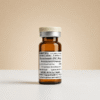
The most critical step in protecting these materials is ensuring they are shipped in a lyophilised (freeze-dried) state. In liquid form, the molecular structure is highly volatile and will break down rapidly under even moderate thermal stress. Through lyophilisation, the water content is removed under a vacuum, leaving behind a stable powder.
However, a common misconception is that lyophilised powder is entirely immune to heat. While it is vastly more stable than a reconstituted liquid, prolonged exposure to the extreme ambient temperatures of a GCC summer will still cause irreversible degradation. Lyophilisation buys time; it does not replace the need for thermal insulation.
Passive Cold-Chain Packaging
Active cold-chain logistics (refrigerated trucks and containers) are exceptionally expensive and rarely utilised for small-parcel research deliveries. Instead, regional specialists rely on highly engineered passive thermal packaging.
A validated passive cold-chain system typically includes:
- High-Density Insulation: Expanded polystyrene (EPS) or polyurethane (PUR) foam boxes that act as a primary thermal barrier.
- Phase-Change Materials (PCMs): Specialised gel packs, blue ice, or dry ice calibrated to maintain specific internal temperature ranges.
- Thermal Mapping Validation: Packaging configurations that have been rigorously tested to maintain internal temperatures below degradation thresholds for a minimum of 72 hours, regardless of external ambient spikes.
Delivery Timing and Local Hub Fulfilment
The ultimate key to securing the cold chain is reducing time-in-transit. The most robust thermal packaging in the world will eventually fail if a shipment is held up in international customs for three weeks. This is why local fulfilment has become the standard for serious researchers.
By operating out of regional hubs like Dubai or Abu Dhabi, suppliers can import bulk materials under strict, climate-controlled commercial freight conditions. Once safely stored in local temperature-mapped facilities, individual research orders are picked, packed into passive thermal shippers, and dispatched domestically or regionally.
Transit Times from a UAE Hub
Regional fulfilment drastically shrinks the exposure window, ensuring the package arrives long before the passive thermal materials expire:
- United Arab Emirates: Deliveries are typically completed within 1 to 3 working days. For researchers requiring immediate supply, specialised local logistics can ensure extremely rapid turnaround. You can review specific details regarding peptides UAE next day delivery to understand how local dispatch minimises thermal risk.
- Qatar and Bahrain: Typically 2 to 5 working days, clearing customs rapidly due to established intra-GCC trade routes.
- Saudi Arabia, Kuwait, and Oman: Generally 3 to 7 working days. While slightly longer, high-quality 72+ hour thermal packaging combined with streamlined customs documentation ensures compound integrity upon arrival.
Verifying Your GCC Supplier: A Procurement Checklist
When evaluating a supplier for cold chain peptide delivery in GCC, procurement staff and informed buyers must look beyond marketing claims and verify the operational framework of the business.
1. Independent Certificate of Analysis (COA)
High-quality logistics are meaningless if the source material is impure. Reputable suppliers provide batch-specific, independent third-party Certificates of Analysis. These documents should feature High-Performance Liquid Chromatography (HPLC) and Mass Spectrometry (MS) results, demonstrating a minimum purity of 98% to 99%+.
2. Regulatory Transparency
It is vital to understand the regulatory environment. There is a strict division between clinical compounding and research procurement. For example, DHA-approved sterile compounding pharmacies operate in a distinct medical framework, preparing prescription treatments. Conversely, independent distributors supply non-human-consumption reagents to the scientific community. A reliable research supplier will always clearly state their operational boundaries and provide transparent commercial invoices to ensure smooth customs clearance.
3. Localised Payment and Support Infrastructure
Logistics extend to customer service and payment flexibility. The best regional suppliers align with Middle Eastern consumer preferences by offering:
- Cash-on-Delivery (COD): Allowing buyers to verify the arrival of the physical package before finalising payment.
- Regional BNPL Services: Integration with platforms like Tamara for flexible procurement budgeting.
- Direct WhatsApp Support: Essential for tracking urgent deliveries and managing any last-mile courier issues directly with a local team, rather than waiting days for an email response from an overseas time zone.
The Bottom Line for Research Procurement
Securing high-purity biological compounds in the Middle East is fundamentally an exercise in risk management. International shipments present too many uncontrollable variables—from aggressive customs holds to 50°C tarmac exposures—making them an unviable option for serious analytical work.
By demanding validated passive thermal packaging, insisting on lyophilised formats, and partnering with suppliers that operate out of local GCC fulfilment centres, researchers can completely bypass the terminal-to-door vulnerability. When evaluating your next procurement cycle, prioritise vendors who back their chemical purity with equally rigorous regional logistics.
To explore compounds backed by third-party HPLC testing and comprehensive UAE-based cold-chain logistics, browse the complete research peptide catalogue available at NOVA Labs.
References
- Patel, S. M., et al. (2010). Stability considerations for biopharmaceuticals: Overview of protein and peptide degradation pathways.
- World Health Organization (WHO) Guidelines on the international packaging and shipping of vaccines and temperature-sensitive materials.
- Middle East regulatory clearance overviews for biological research compounds and non-human consumption reagents.
Disclaimer: The products mentioned in this article are for research purposes only and are not intended for human consumption.
- Cold Chain Peptide Delivery Qatar: Heat, Timing, and Packagi – NOVA Labs
- Emirates Peptides: Buy Research Peptides in UAE
- Peptides Lab GCC – High-Purity Research Peptides | GCC Supply for Laboratories
- Peptides Compounding Pharmacy Dubai – CureCell
- From Manufacturer to End Customer: How AlGenome International Guarantees a Reliable Cold Chain for Your Critical Supplies
- Where To Buy Peptides GCC: What to Check Before Ordering – NOVA Labs
- Importing Research Peptides from China to US – Mercury Business Services
- Cold Chain Logistics for GCC’s Food and Pharma Supply Chains – Al Barrak Group
Frequently asked questions
How long does cold chain peptide delivery take in the GCC?
When shipped from a local UAE hub, transit times are typically 1 to 3 working days within the Emirates, and 3 to 7 days for the wider GCC region, depending on border clearance.
Can research peptides survive international shipping without thermal insulation?
In the Middle East, standard international shipping exposes compounds to extreme ambient heat during customs holds and last-mile delivery, which rapidly degrades uninsulated biological materials.
Why are biological compounds shipped as a lyophilised powder?
Lyophilisation stabilises the molecular structure, making the compound significantly more resilient to temperature fluctuations during transit compared to highly volatile liquid formats.
What customs documentation is required for GCC biological deliveries?
Reliable delivery requires accurate commercial invoices, detailed packing lists, and clear 'Research Purposes Only' declarations to prevent lengthy and damaging customs seizures at regional borders.
Nova Labs buyer tools
Ready to verify stock, testing and delivery?
Use the product page and lab report section to check availability, documentation, delivery timing and support before placing an order.
- COA / test-report checks
- GCC delivery context
- Cold-chain handling
- COD and card payment options
- WhatsApp support